

Buying a Fixer-Upper: Weighing Costs, Rewards, and Renovation Risks

A fixer-upper can build equity, or drain cash fast. The difference comes down to the house, the numbers, and the team doing the work.
Buying one can be a smart path into a better neighborhood or a larger home. It can also uncover old wiring, roof leaks, bad plumbing, and permit issues. The goal is not to avoid every risk. The goal is to know which risks are worth taking.
This article is informational only. Real estate decisions should be reviewed with qualified local professionals.

The best reasons to buy a fixer-upper
A fixer-upper gives buyers control. Instead of paying for someone else’s updates, the buyer chooses finishes, layouts, and priorities.
The main upsides are clear.
Lower purchase price
A home that needs work often costs less than a renovated one in the same area.
More location options
A dated home may be the only affordable way into a desired neighborhood.
Less competition
Some buyers avoid homes that need work. That can create an opening.
Room to build equity
Smart improvements can raise value, especially kitchens, bathrooms, roofing, systems, and curb appeal.
Design control
The owner can renovate for real life, not resale photos.
Potential tax and financing options
Some loan programs may allow repair costs to be included, subject to approval.
A successful project starts with the right discount. If the asking price already reflects a finished home, the risk rises. A fixer-upper should leave enough room for repairs, surprises, closing costs, and profit or equity.
The risks can be bigger than they look
Cosmetic work is easy to see. Structural and system problems are harder.
Paint, flooring, lighting, and cabinet hardware can refresh a home. Foundation movement, unsafe electrical panels, sewer line failure, termite damage, and roof replacement can consume the budget.
Renovations also affect daily life. Dust spreads. Schedules slip. Materials arrive late. Contractors may uncover problems after opening walls.
Watch for these red flags during the first visit:
Sagging floors or rooflines
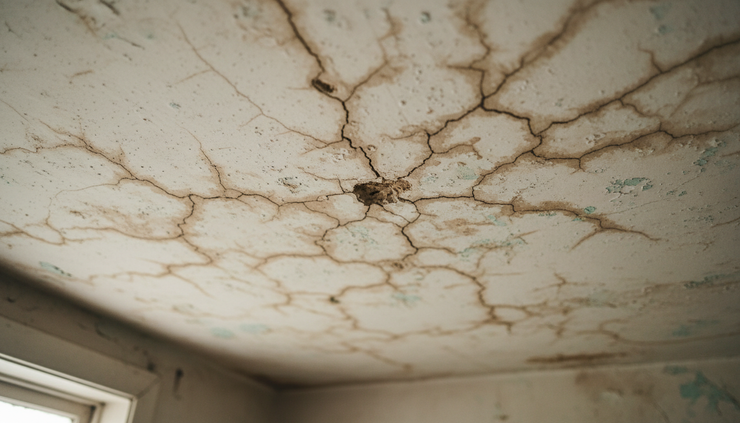
Water stains on ceilings or walls
Musty smells in basements or crawl spaces
Cracks wider than a hairline near doors or windows
Old electrical panels, knob-and-tube wiring, or aluminum wiring
Poor drainage around the foundation
DIY additions that do not match the rest of the home
Fresh paint in only one suspicious area
Do not assume a low price means a good deal. A cheap house with severe hidden damage can become expensive fast.
Run the numbers before making an offer
Start with the total cost, not just the purchase price.
The working formula is simple:
Purchase price + closing costs + renovation costs + contingency + carrying costs = real project cost
Carrying costs include mortgage payments, taxes, insurance, utilities, storage, and temporary housing if the home is not livable.
Build a contingency into the budget. Many renovation projects reveal hidden issues. A common planning range is 10% to 20% above the expected repair cost, with older homes often needing more caution.
Focus on improvements that protect value first:
Roof
Foundation
Electrical
Plumbing
HVAC
Windows and exterior drainage
Kitchen and bathrooms
Flooring, paint, and fixtures
Return on investment depends on the market. A simple, clean kitchen update may add more value than luxury finishes that exceed the neighborhood standard. The best renovation matches nearby homes, buyer demand, and the home’s price range.
A helpful test is the after-repair value. Look at similar nearby homes that have sold after renovation. Then compare that value against the total project cost. If the gap is too tight, the deal may not be worth the stress.
Inspect the property like a project manager
A standard home inspection is a must. It is not enough for a major fixer-upper.
Bring in specialists when warning signs appear. That may include:
Structural engineer
Licensed electrician
Licensed plumber
Roofing contractor
HVAC technician
Pest inspector
Sewer scope technician
Ask direct questions during inspections.
What must be fixed now?
What can wait one to three years?
What could make the home unsafe?
What repairs need permits?
What repairs may affect insurance or financing?
Take photos and notes. Create a repair list by category. Then separate it into three groups.
Safety and systems
These repairs protect the home and the people in it.
Value improvements
These updates improve resale appeal or rental potential.
Personal preferences
These can wait if the budget gets tight.
This order keeps the project grounded. A beautiful backsplash does not matter if the main sewer line fails.

Find contractors before the deal is final
A good contractor can save a project. A bad one can destroy the budget.
Ask for referrals from local agents, inspectors, neighbors, and trade suppliers. Then check each contractor carefully.
Look for:
Active license if required in the state or city
Proof of insurance
Recent local references
Photos of similar work
Clear written estimates
Permit knowledge
Realistic timelines
Clean payment terms
Avoid paying the full amount upfront. Larger projects usually use milestone payments tied to completed work. Get change orders in writing. If the scope changes, the price and schedule should change on paper before work continues.
Get at least three estimates for major work. The lowest bid is not always the best. A vague low bid can grow once construction begins. A detailed higher bid may be safer.
Two fixer-upper stories that show the range
One buyer found a 1970s ranch with dated finishes, worn carpet, and a tired kitchen. The inspection showed solid bones, a newer roof, and working HVAC. The buyer focused on paint, flooring, lighting, cabinet fronts, and landscaping. The project stayed manageable because the big systems were sound. Within a year, the home felt new without a full rebuild.
Another buyer loved an older two-story home with charm. The price looked attractive. After inspection, the sewer line, roof decking, and electrical panel all needed major work. The buyer renegotiated based on written estimates. The seller agreed to a price reduction. That did not make the project easy, but it made the numbers safer.
The lesson is simple. A good fixer-upper is not always the prettiest one. It is the one with repair costs that make sense.
FAQ
Is buying a fixer-upper a good idea for first-time buyers?
It can be, if the home is livable and the repairs are clear. First-time buyers should be cautious with major structural, electrical, plumbing, or foundation problems.
How much should I budget for renovation surprises?
Many buyers plan for 10% to 20% above the estimated renovation cost. Older homes or neglected homes may need a larger cushion.
What repairs usually add the most value?
Kitchens, bathrooms, exterior improvements, roofing, HVAC, and functional layout changes often matter most. The best choice depends on the local market.
Should I live in the home during renovations?
Living in the home can save money, but it adds stress. Avoid living in a home during major work that affects plumbing, electrical service, heating, cooling, or safety.

Make the decision with clear eyes
Buying a fixer-upper can be rewarding. It can also be demanding. The best projects have a fair purchase price, strong inspections, realistic repair estimates, and reliable contractors.
Before making an offer, know the full cost. Price the repairs. Leave room for surprises. Confirm which upgrades protect value and which can wait.
If help weighing a property or planning next steps would be useful, contact Monarch Bay Properties. A clear second opinion can make the difference between a smart project and an expensive lesson.


Comments