

First Time Home Buyer Guide Budgeting, House Hunting, Inspections and Closing
- Jamie Blakely

- Jul 27
- 5 min read
Buying a first home can feel exciting and overwhelming at the same time. There are new terms, large numbers, tight timelines, and decisions that can affect daily life for years. A clear plan makes the process easier to manage.
This First-Time Home Buyer's Guide walks through the main steps, from setting a budget to getting the keys. It is informational only and should not replace advice from a licensed lender, real estate agent, attorney, tax professional, or home inspector.

Start with a budget that fits real life
Before browsing homes, decide what monthly payment feels comfortable. Lenders may approve a loan amount that looks high on paper, but the right budget leaves room for savings, repairs, utilities, insurance, and everyday life.
A good home budget includes more than the purchase price. Plan for:
Down payment
This may range from a low percentage to a larger amount, depending on the loan type and lender requirements.
Closing costs
These can include lender fees, title fees, escrow costs, prepaid taxes, and insurance.
Monthly payment
This often includes principal, interest, property taxes, homeowners insurance, and possibly mortgage insurance.
Maintenance and repairs
A home can need a new appliance, plumbing repair, or roof work at any time.
Moving costs
Include movers, boxes, utility deposits, basic furniture, and small repairs after move-in.
A simple rule is to work backward from a monthly number that feels safe. Then speak with a lender to see how that payment translates into a price range.
Understand your financing options
Most first-time buyers use a mortgage. The best loan depends on credit history, income, location, down payment, and long-term plans.
Common options include:
Loan type | Best fit | Key point |
Conventional loan | Buyers with stronger credit and stable income | May offer good terms with enough down payment |
FHA loan | Buyers who need flexible credit or lower down payment options | Often requires mortgage insurance |
VA loan | Eligible service members, veterans, and some surviving spouses | Often allows no down payment |
USDA loan | Eligible rural or some suburban buyers | Location and income rules apply |
Get preapproved before serious house hunting. A preapproval is not a final loan approval, but it shows sellers that a lender has reviewed basic financial information. It also helps avoid falling in love with homes outside the realistic range.

Research neighborhoods before choosing a home
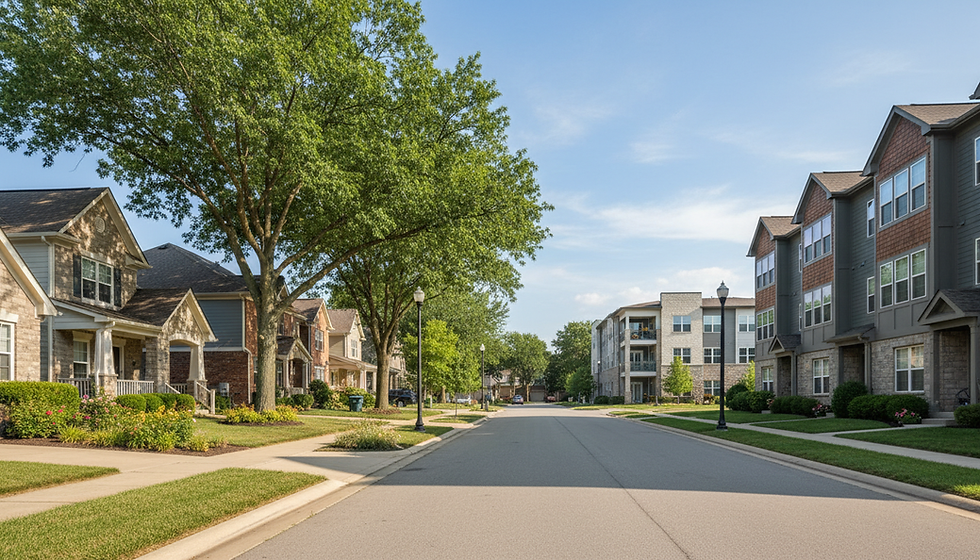
A house does not exist by itself. The neighborhood affects commute time, errands, noise, schools, resale value, and quality of daily life.
Look at the area at different times of day. A street may feel quiet at noon but busy in the evening. Check commute routes during actual rush hour. Look for grocery stores, parks, public transit, medical care, and other daily needs.
Also compare property types:
Single-family homes
More privacy and control, often more maintenance.
Townhomes
Less exterior upkeep in many communities, but shared walls and possible HOA rules.
Condos
Lower maintenance, but monthly fees and building rules can affect the budget.
Multi-unit properties
Possible rental income, but more responsibility and stricter financing rules in some cases.
If a home has an HOA, review fees, rules, reserves, and restrictions before making a final commitment.
House hunt with a clear checklist
Online listings are helpful, but photos can hide flaws. During viewings, slow down and look closely.
Pay attention to:
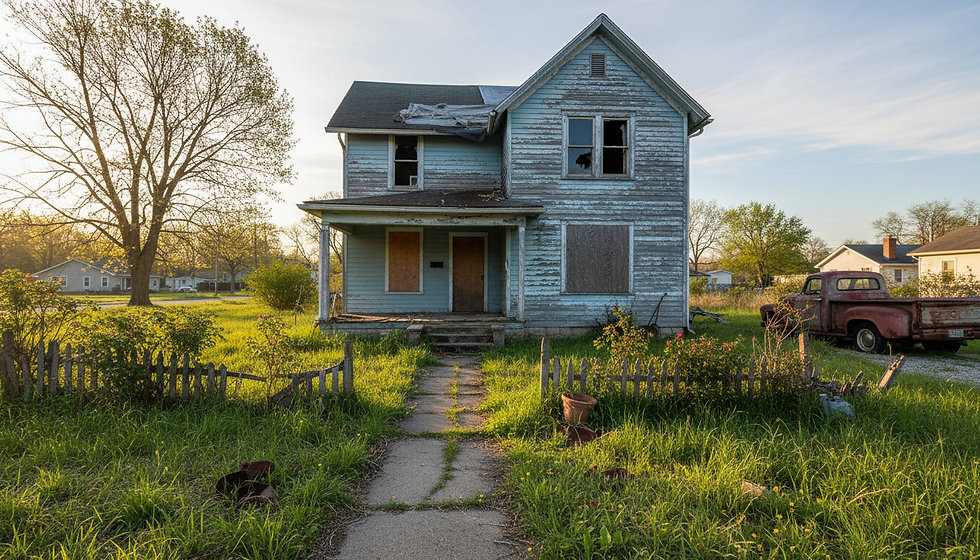
Water stains on ceilings or walls
Musty smells, which may point to moisture issues
Cracks in foundations, walls, or exterior surfaces
Old electrical panels or limited outlets
Windows that stick or show condensation between panes
Uneven floors
Roof age and visible wear
Heating and cooling system condition
Drainage around the home
Also think about layout. A fresh paint color is easy to change. A cramped kitchen, steep driveway, or awkward bedroom layout may be harder to fix.
Take photos and notes after each showing, if allowed. After seeing several homes, details blur together. A simple scorecard can help compare options without relying only on emotion.

Make an offer with room for protection
When you find the right home, your agent can help prepare an offer. The offer usually includes price, earnest money, financing details, closing timeline, and contingencies.
Common contingencies include:
Inspection contingency
Allows time to inspect the home and negotiate repairs, credits, or cancellation if major issues appear.
Appraisal contingency
Protects the buyer if the home appraises for less than the contract price.
Financing contingency
Gives protection if the loan cannot be finalized under the agreed terms.
In competitive markets, some buyers feel pressure to waive protections. That can be risky, especially for a first purchase. Know what each contingency does before giving it up.
Do not skip the inspection and appraisal
A home inspection is a buyer’s chance to understand the property’s condition. Inspectors usually evaluate major systems and visible components, including roof, foundation, plumbing, electrical, HVAC, windows, attic, and more.
An inspection does not guarantee that every issue will be found. It still gives useful information before closing. For older homes or known concerns, extra inspections may make sense, such as sewer scope, pest inspection, mold assessment, or roof evaluation.
An appraisal is different. The lender orders it to confirm that the property value supports the loan amount. If the appraisal is lower than the purchase price, the buyer and seller may need to renegotiate, the buyer may need more cash, or the deal may not move forward.
Prepare for closing step by step
Closing is the final stretch, but several things still need to happen.
Expect to:
Finalize loan approval
The lender reviews documents, employment, credit, and property details.
Review disclosures
The closing disclosure shows loan terms, monthly payment, closing costs, and cash needed to close.
Schedule a final walk-through
This usually happens shortly before closing to confirm the home is in agreed condition and repairs were completed.
Bring required funds
Your closing agent will provide instructions. Always verify wire instructions directly, because wire fraud is a real risk.
Sign documents
Closing includes loan papers, title documents, and legal forms.
Get the keys
After funding and recording, ownership officially transfers.

Keep the first year manageable
After moving in, avoid tackling every project at once. Learn how the home works. Find the main water shutoff, electrical panel, HVAC filter location, and smoke detectors. Build a maintenance calendar for seasonal tasks.
Save inspection reports, warranties, closing documents, insurance information, and receipts in one place. They can help with repairs, taxes, insurance claims, or future resale.
The best first home is not always perfect. It is a home that fits the budget, supports daily life, and gives enough confidence to move forward. Take the process one step at a time, ask questions early, and make decisions based on both numbers and needs.

Comments